Chestnut Turbo Snail
Chestnut Turbo Snail: The Reef Aquarium Bulldozer
The Chestnut Turbo Snail (Turbo castanea) is a popular and highly effective member of the aquarium clean-up crew. Belonging to the family Turbinidae, this gastropod is native to the Western Atlantic Ocean, ranging from North Carolina down through the Caribbean and Gulf of Mexico.
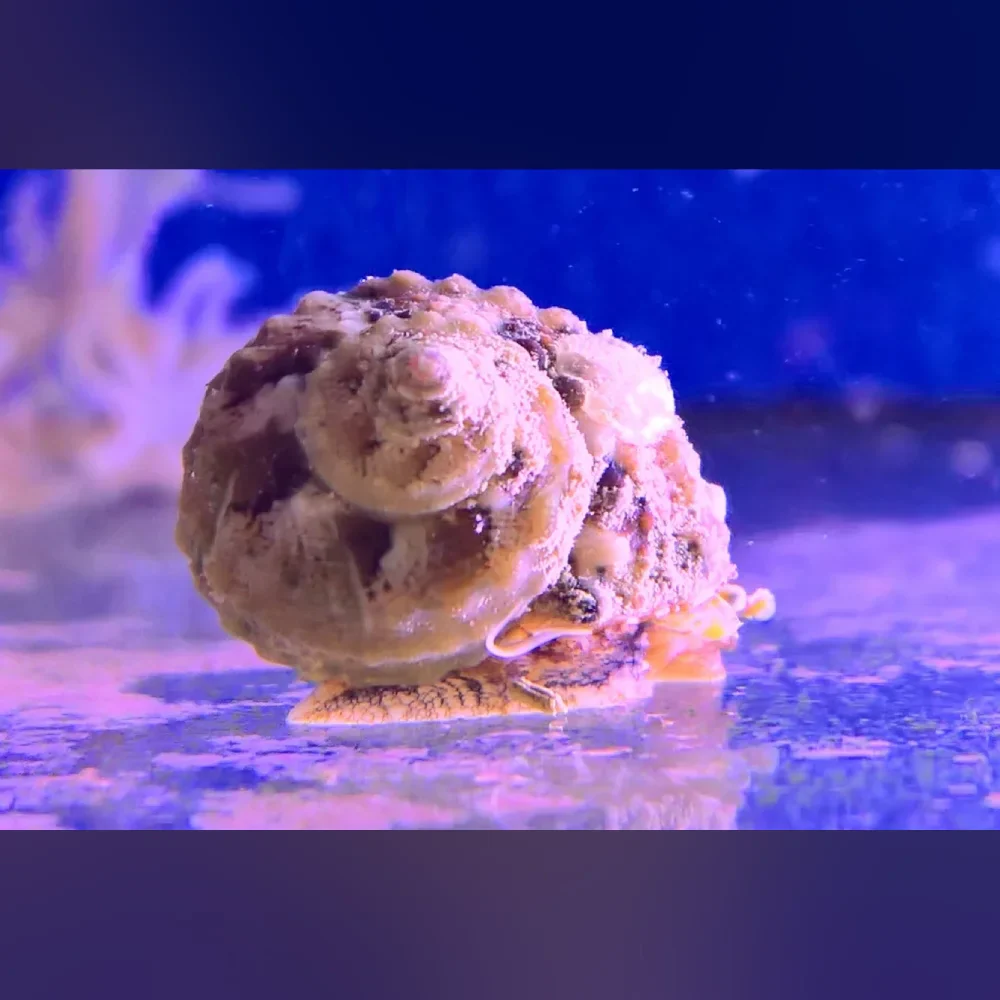
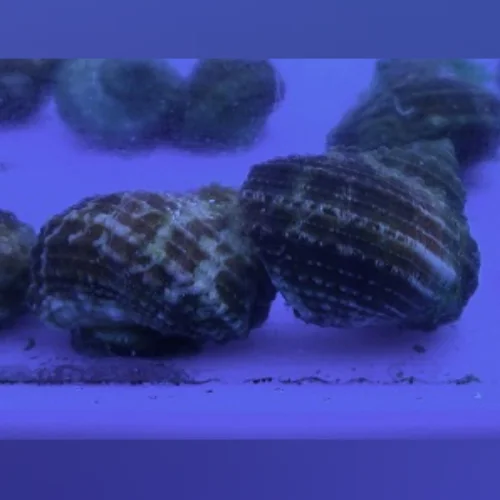
Known for its robust, turban-shaped shell, the Chestnut Turbo Snail is a powerhouse when it comes to consuming nuisance algae. It is particularly valued for its appetite for hair algae, film algae, and diatoms on both the aquarium glass and live rock. Unlike other snails, they boast a large, muscular foot, making them exceptionally strong grazers. The shell itself is typically a mottled orange, brown, and tan color, which gives it its common name.
While generally peaceful and easy to care for, its large size (up to 2 inches) and aggressive grazing style have earned it the nickname "bulldoze." Hobbyists must ensure all corals and rockwork are securely fastened, as this snail can easily dislodge unsecured items while foraging.
Diet & Compatibility:
- Diet: The Chestnut Turbo Snail is a dedicated Herbivore. It primarily consumes various forms of nuisance algae, including hair algae, diatoms, and film algae.
- Feeding: In well-established tanks with low algae levels, its diet must be supplemented with sheets of dried seaweed (nori), algae wafers, or spirulina pellets to prevent starvation. Adequate calcium levels are also crucial for healthy shell growth.
- Reef Compatibility: It is Reef Safe. This snail will not bother corals, fish, or other motile invertebrates. However, due to its size and strength, it is known to accidentally knock over unsecured coral frags and small pieces of rockwork, so caution should be used when aquascaping.
- Temperament: It is Peaceful. It is an excellent community member and can be housed with other peaceful inverts and fish. Avoid predatory tankmates like Arrow Crabs, large Wrasses, Puffers, and aggressive Hermit Crabs, which may attempt to flip or eat the snail.
- Tank Care: Like all marine snails, it is highly sensitive to fluctuating salinity, high nitrates, and any copper-based medications. If found flipped on its back, it may be unable to right itself and should be assisted immediately.
Quick Facts
- Scientific Name: Turbo castanea
- Primary Common Name: Chestnut Turbo Snail
- Other Common Names: Chestnut Turban Snail, Turbo Grazer, Cateye Snail
- Origin: Western Atlantic (Caribbean, Gulf of Mexico, Florida)
- Max Size: 1.5 - 2 inches (4-5 cm)
- Temperament: Peaceful (Active Grazer / Bulldozer)
- Diet: Herbivore (Algae Specialist)
- Minimum Tank Size: 20 Gallons
- Reef Compatibility: Yes (Caution with unsecured frags)
Original: $6.99
-65%$6.99
$2.45Product Information
Product Information
Shipping & Returns
Shipping & Returns
Description
Chestnut Turbo Snail: The Reef Aquarium Bulldozer
The Chestnut Turbo Snail (Turbo castanea) is a popular and highly effective member of the aquarium clean-up crew. Belonging to the family Turbinidae, this gastropod is native to the Western Atlantic Ocean, ranging from North Carolina down through the Caribbean and Gulf of Mexico.
Known for its robust, turban-shaped shell, the Chestnut Turbo Snail is a powerhouse when it comes to consuming nuisance algae. It is particularly valued for its appetite for hair algae, film algae, and diatoms on both the aquarium glass and live rock. Unlike other snails, they boast a large, muscular foot, making them exceptionally strong grazers. The shell itself is typically a mottled orange, brown, and tan color, which gives it its common name.
While generally peaceful and easy to care for, its large size (up to 2 inches) and aggressive grazing style have earned it the nickname "bulldoze." Hobbyists must ensure all corals and rockwork are securely fastened, as this snail can easily dislodge unsecured items while foraging.
Diet & Compatibility:
- Diet: The Chestnut Turbo Snail is a dedicated Herbivore. It primarily consumes various forms of nuisance algae, including hair algae, diatoms, and film algae.
- Feeding: In well-established tanks with low algae levels, its diet must be supplemented with sheets of dried seaweed (nori), algae wafers, or spirulina pellets to prevent starvation. Adequate calcium levels are also crucial for healthy shell growth.
- Reef Compatibility: It is Reef Safe. This snail will not bother corals, fish, or other motile invertebrates. However, due to its size and strength, it is known to accidentally knock over unsecured coral frags and small pieces of rockwork, so caution should be used when aquascaping.
- Temperament: It is Peaceful. It is an excellent community member and can be housed with other peaceful inverts and fish. Avoid predatory tankmates like Arrow Crabs, large Wrasses, Puffers, and aggressive Hermit Crabs, which may attempt to flip or eat the snail.
- Tank Care: Like all marine snails, it is highly sensitive to fluctuating salinity, high nitrates, and any copper-based medications. If found flipped on its back, it may be unable to right itself and should be assisted immediately.
Quick Facts
- Scientific Name: Turbo castanea
- Primary Common Name: Chestnut Turbo Snail
- Other Common Names: Chestnut Turban Snail, Turbo Grazer, Cateye Snail
- Origin: Western Atlantic (Caribbean, Gulf of Mexico, Florida)
- Max Size: 1.5 - 2 inches (4-5 cm)
- Temperament: Peaceful (Active Grazer / Bulldozer)
- Diet: Herbivore (Algae Specialist)
- Minimum Tank Size: 20 Gallons
- Reef Compatibility: Yes (Caution with unsecured frags)